Blog
Futuro Viñador – a Contemporary Perspective

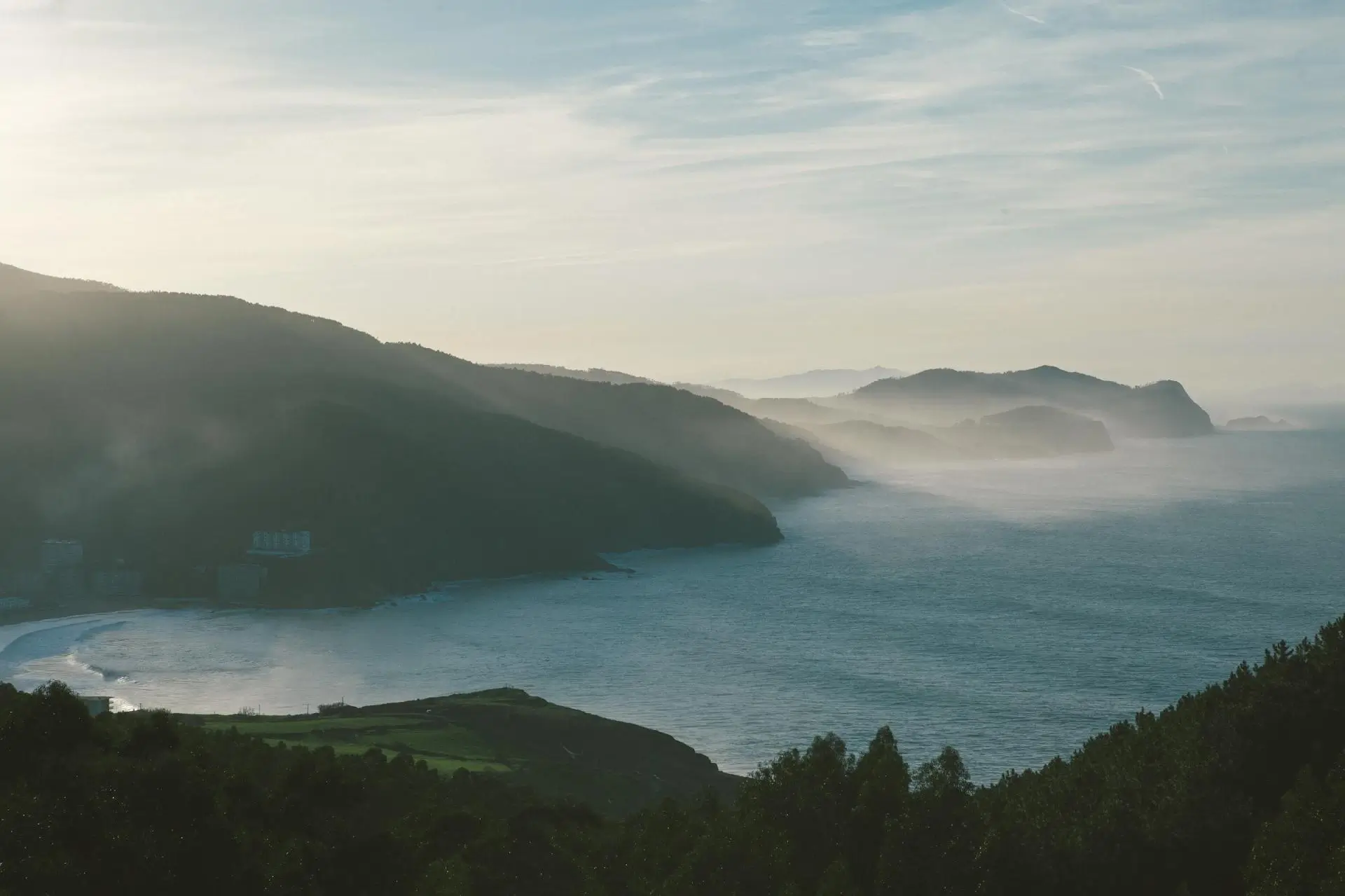
Doniene Gorrondona has been part of Futuro Viñador since 2024. We belong to a collective of winegrowers whose aim is to improve viticulture and cultural practices, and to inspire more people to follow a path of honest viticulture—deeply rooted in the landscape and in the people who inhabit it.
Some of the core principles shared across the collective are:
- the recovery of ancestral cultural practices,
- the recognition and preservation of our great historic vineyard heritage,
- the richness of our own ancient native grape varieties,
- biodiversity,
- and the conservation and functionality of winegrowing landscapes.
Together, this work has contributed to the recovery of at least 15 rare or endangered local grape varieties. – FV
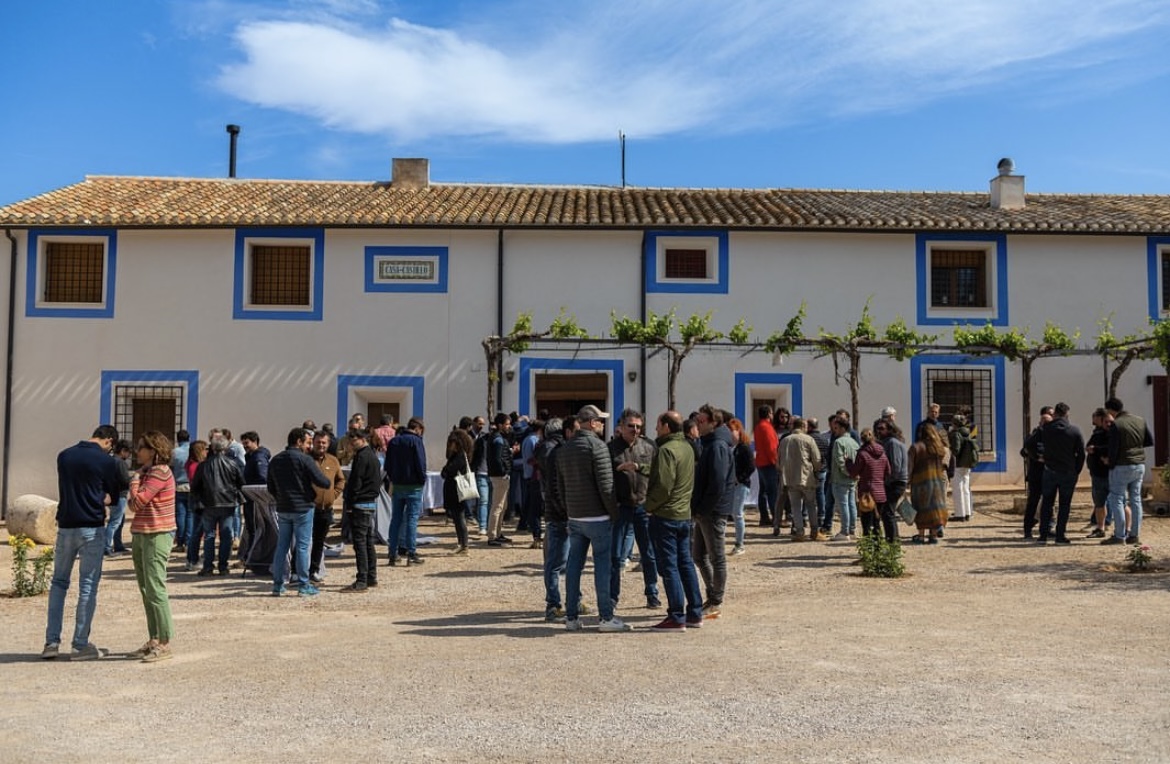
Currently, Futuro Viñador is made up of 17 winegrowers from across Spain, including the mainland and the Balearic Islands.
- Doniene Gorrondona Txakolina. Bizkaia.
- 4 Kilos. Mallorca.
- Adega Algueira. Ribeira Sacra.
- Anna Espelt. Empordà. *
- Artuke. Rioja Alavesa.
- Casa Castillo Winery. Jumilla.
- Celler del Roure. Valencia.
- Telmo Rodriguez Wine Company.
- Domino del Aguila. Ribera del Duero.
- Domino del Bendito. Bull.
- Our Lady of Remelluri Farm. Rioja Alavesa.
- Bodegas Luis Pérez. Jerez.
- Miguel Merino. DOCa Rioja.
- Ostatu. Rioja Alavesa.
- Raventós i Blanc. Conca del Riu Anoia.
- Soca-Rel. Mallorca.
- Zárate Winery. Rías Baixas.
* Joins the collective as a new member this year.
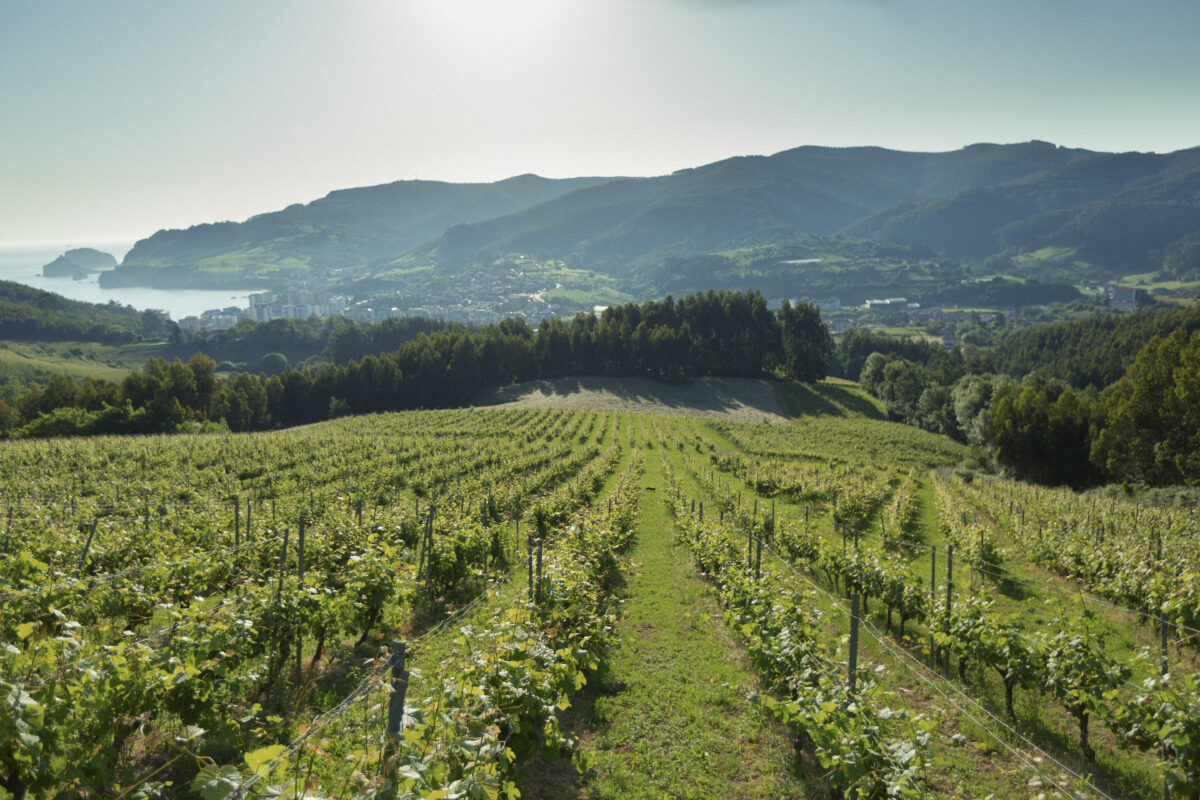
The winegrowers of Futuro Viñador work their vineyards by integrating the surrounding environment as an essential part of the whole. We seek to give back to nature what nature gives us, creating a circular ecosystem. – FV
What happened over the past year?
Over the last 12 months, Futuro Viñador has organised two workshops aimed at bringing together professionals, experiences and best practices. The goal was to gather committed, passionate and dedicated people who, together, expand the vision of a better path for national viticulture.
Two workshops were held: Viticulture and living soils y, Returning to the mosaic.
Viticulture and Living Soils
On November 10th and 11th, 2024, this workshop took place at Bodegas Ostatu in Samaniego, along the historic route between Laguardia and Vitoria-Gasteiz. Its objective was to present practical tools for diagnosing soil health and keeping it alive.
Workshop speakers:
- Andreu Vila Pascual: what living soil is and how to foster its biological activity.
- Sergi Caballero: cover crops to enhance biodiversity in the vineyard.
- Ana García Rández: practical agro-composting tools for vineyard management.
- Annelies Broekman: how living soils support resilience in the face of climate change.
- Willy Pérez: a tasting focused on albariza (calcareous soil), bringing ethics and aesthetics together.

More information about the speakers, https://www.futurovinador.com/ponentestaller
Soil conservation and regeneration are one of the common threads that unite all the women and men winegrowers of Futuro Viñador. – FV
Returning to the mosaic
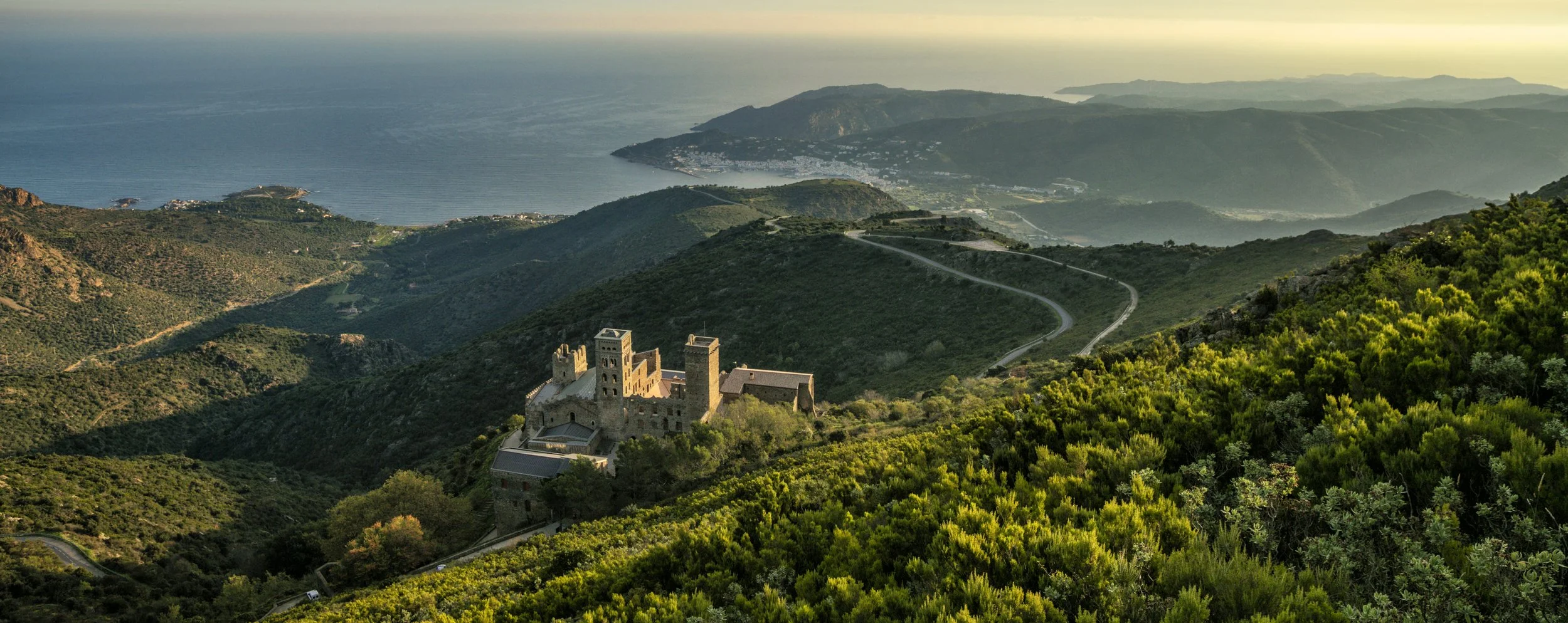
The Returning to the Mosaic workshop took place in Empordà, at the Monastery of Sant Pere de Rodes, on November 16th and 17th, 2025. Its aim was to share and discuss key approaches to regenerating landscapes—agroforestry, livestock farming and forestry—starting from the vineyard.
The agro-pastoral mosaic is understood as the way territories have historically coexisted with agriculture, water, livestock and forests, and as a valuable tool for the future of viticulture. The workshop explored how viticulture, livestock and biodiversity can transform rural mosaics into resilient, productive and vibrant ecosystems; the agro-pastoral mosaic has shaped our landscapes for centuries.
Workshop speakers:
- Human dimension: the mosaic reflects the history, identities and values of those who inhabit and work the land.
Marc Vilahur (Director General of Environmental Policies and Natural Heritage of the Government of Catalonia), Pere Sala (Landscape Observatory of Catalonia), and Anna Espelt (winegrower).
- Mosaic management: restoring and managing mosaic landscapes.
Eduard Pla (CREAF), David González (Sustraiak), and Jordi Font (shepherd).
- Biodiversity dimension: caring for the landscape and the life that inhabits it.
Fernando Valladares (CSIC), Ponç Feliu (Director of Cap de Creus Natural Park), Montse Pascual (Cap de Creus Natural Park), and Carme Rosell (Minuartia).
- Fire dimension: how to coexist with fire in the Mediterranean landscape.
Edgar Nebot (GRAF firefighter), Anna Sanitjas (Forest Fire Prevention, DIBA), Isabel Riera (Pau Costa Foundation), and Merlès Martínez (Ramats de Foc).
- Tasting: how the act of tasting can also be an ethical act: a way of observing, understanding, and appreciating what the land offers us.
Josep Roca (El Celler de Can Roca)
More information about the speakers, https://www.futurovinador.com/tallermosaico
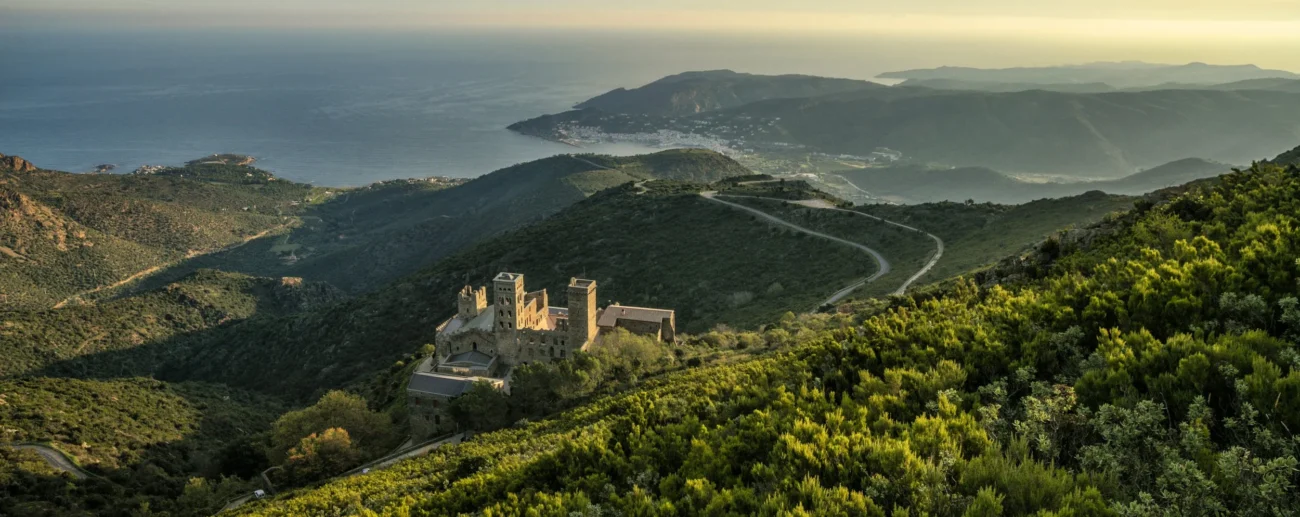
Integration within its territory is also a defining aspect of our wineries. Around 15% of the properties do not produce grapes, but rather landscape. – FV.
What does all this mean for Doniene Gorrondona?
Being part of the Futuro Viñador collective and having participated in these two workshops and working sessions translates into enrichment not only in knowledge, but also in practical and useful tools that we can implement in our vineyards. Moreover, we are part of an exchange of ideas and experiences, and of building relationships that encourage us to keep working toward a shared goal: improving our viticulture and the impact we have on our surroundings, and inspiring more people to follow this path.
Some of the projects we are currently working on include the use of organic products to stimulate our vines and strengthen them against fungal diseases; the process of producing our own biostimulants using products sourced from our environment; and the microscopic study of our soils to better understand their composition and the behavior of their microbiota.
All of this allows us to continue moving toward sustainable, low-intervention viticulture, to better understand our environment, and to reduce our impact on nature. In addition, we reinforce our environmental commitment and our visibility within the regional and national landscape.